Beyond BBL: How Mitchell Starc's Shoulder Scare Could Reshape Australia's T20 World Cup Strategy
BBL Playoff Drama Turns Into National Crisis
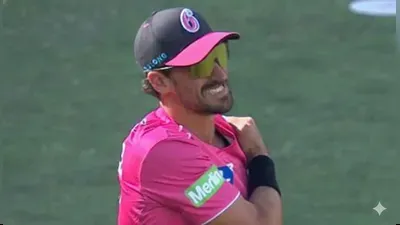
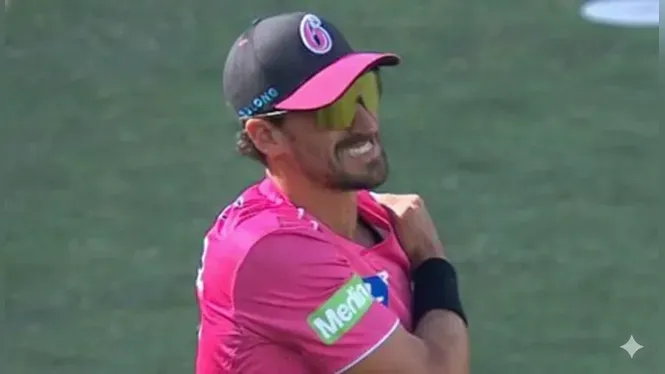
Australian cricket faces an unexpected crisis as Mitchell Starc's shoulder injury scare during the Sydney Sixers' BBL finals clash against Perth Scorchers sends shockwaves through national team preparations. The left-arm speedster's potential unavailability could force a major tactical rethink just months before Australia defends its T20 World Cup title.
The Immediate Fallout for Sydney Sixers
The Sixers now face a nervous wait on Starc's fitness ahead of their must-win Challenger final against either Melbourne Stars or Hobart Hurricanes. Team officials remain hopeful but cautious after the pace spearhead left the field during their loss to Perth Scorchers. "We weren't good enough," admitted captain Moises Henriques after the team's batting collapse, but the bigger concern remains Starc's shoulder condition.
From Franchise Worries to National Emergency
While the Sixers sweat over Starc's availability for Friday's knockout match, Australian selectors face a larger dilemma. Starc forms the backbone of Australia's pace attack across all formats, with his death-bowling expertise particularly crucial in T20 cricket. His potential absence would create a strategic vacuum at the World Cup that no ready replacement can easily fill.
Contingency Planning Begins Behind Closed Doors
Cricket Australia's high-performance team has likely activated emergency protocols following Starc's injury scare. Potential scenarios being analyzed include:
1. Accelerating Jhye Richardson's rehabilitation timeline
2. Revisiting Nathan Ellis as a death-bowling specialist
3. Considering all-rounder Marcus Stoinis for expanded bowling duties
4. Developing alternative bowling strategies centered around Adam Zampa's spin
Historical Precedent of Fast Bowling Crises
Australia has faced similar situations before. The 2019 World Cup saw Jhye Richardson replace injured Josh Hazlewood at late notice, while the 2021 Ashes campaign overcame Pat Cummins' COVID scare. However, Starc's unique combination of left-arm angle, new-ball threat, and yorker mastery makes him particularly irreplaceable in T20 conditions.
The Ripple Effect on Bowling Combinations
Starc's potential absence would disrupt carefully laid plans for powerplay and death-over strategies. His partnership with Pat Cummins forms the core of Australia's pace attack, with their combined experience crucial for defending totals in high-pressure World Cup matches. Any extended recovery period would force a complete reworking of bowling rotations and field placements.
Rehabilitation Race Against Time
Medical teams face a delicate balancing act. Rushing Starc back risks aggravating the shoulder issue, while excessive caution could leave him underprepared for World Cup intensity. The coming weeks will involve intensive physiotherapy, strength testing, and gradual bowling load management to determine his tournament readiness.
Broader Implications for Pace Bowling Management
This scare highlights cricket's growing injury crisis among fast bowlers. With franchise leagues extending playing calendars and T20's explosive demands, national boards must reconsider workload management. Australia may implement stricter bowling quotas or develop specialized conditioning programs to protect their premium assets.
Silver Linings in the Storm Clouds
Some analysts suggest potential benefits from forced experimentation. A Starc absence could accelerate the development of younger quicks like Spencer Johnson or Xavier Bartlett. It might also encourage more creative use of spin options on Caribbean pitches, where the World Cup will be staged.
The Psychological Impact on Australian Camp
Beyond physical concerns, Starc's injury scare creates mental challenges. Teammates accustomed to relying on his death-over prowess must quickly develop alternative closing strategies. Leadership groups will need to project confidence while privately preparing backup plans - a difficult psychological tightrope to walk.
Global Rivals Watching Closely
Opposition teams are undoubtedly analyzing how Australia might compensate for Starc's potential absence. England's batting lineup would relish facing less yorker-heavy attacks, while India's power hitters might target alternative bowlers in the death overs. This single injury scare could reshape multiple teams' World Cup preparation strategies.
The Road Ahead for Australian Cricket
As the Sixers await Starc's fitness update for their Challenger final, the national setup braces for multiple scenarios. Medical reports in the coming days will determine whether this remains a minor scare or escalates into a full-blown selection crisis. One certainty remains - Australia's T20 World Cup defense just became significantly more complicated.
Preparing for All Outcomes
Smart contingency planning requires preparing for both best-case and worst-case scenarios. Australia's coaching staff likely maintains:
- A 7-day recovery plan for minor strain
- 3-week rehabilitation program for moderate injury
- Complete World Cup recalibration for long-term absence
Each scenario demands specific tactical adjustments and personnel changes that must be prepared simultaneously.
Historical Lessons in Tournament Preparation
Past tournaments show that successful teams adapt to late injuries. England won the 2019 World Cup despite losing Alex Hales pre-tournament, while Australia triumphed in 2021 without Will Pucovski. The challenge lies in maintaining strategic flexibility while preserving team cohesion - a test Australia must now face head-on.
The Bigger Picture Beyond BBL Playoffs
While Sydney Sixers focus on immediate finals survival, Cricket Australia's high-performance unit must zoom out to the global stage. Every delivery Starc bowls (or doesn't bowl) in coming weeks will be analyzed for clues about his World Cup readiness. This injury scare transcends franchise cricket - it's now a national priority with implications for Australia's entire summer schedule.