How the European T20 Premier League Could Revolutionize Grassroots Cricket in Emerging Nations
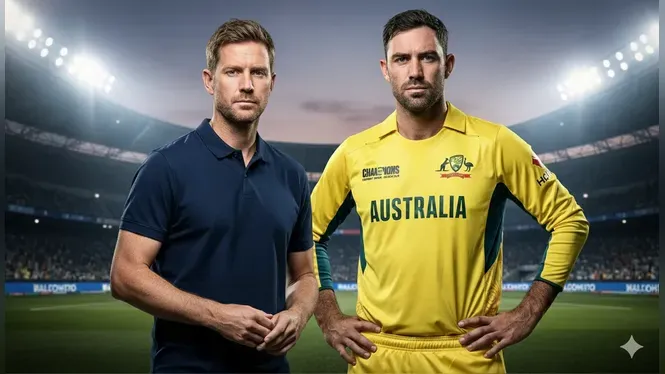
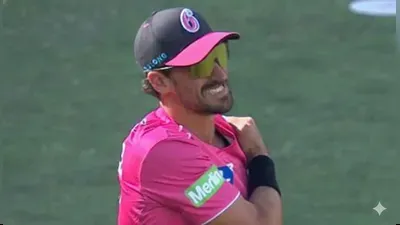
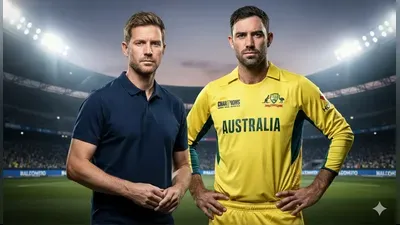
As Steve Smith and Mitchell Marsh sign playing contracts while legends like Steve Waugh and Glenn Maxwell become franchise owners, the European T20 Premier League (ETPL) is making headlines for more than just star power. The real story lies in its groundbreaking approach to developing cricket's next frontier - with mandatory local player quotas and youth development programs that could transform Ireland, Scotland, and the Netherlands into sustainable cricket ecosystems.
The Grassroots Challenge in Cricket's Emerging Nations
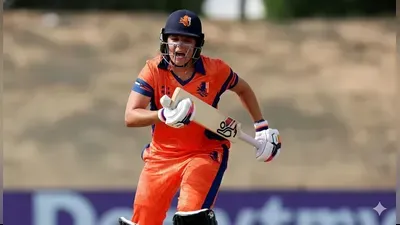
For decades, cricket's growth in Europe has faced systemic barriers. Despite producing world-class talents like Netherlands' Ryan ten Doeschate and Scotland's Kyle Coetzer, these nations struggle with:
- Limited professional opportunities for local players
- Insufficient funding for youth development
- Brain drain of talent to established leagues
- Lack of commercial visibility for homegrown cricket
Traditional T20 leagues have largely failed to address these structural issues. The Indian Premier League (IPL) focuses primarily on established international stars, while other global tournaments often treat emerging nations as mere venues rather than talent incubators.
The ETPL Solution: A Blueprint for Sustainable Growth
The European T20 Premier League proposes a radically different model specifically designed for developing cricket nations:
Mandatory Local Player Quotas
Unlike other global leagues where local talent often warms benches, ETPL franchises must field a minimum number of players from host nations (Ireland, Scotland, Netherlands). This guarantees:
- Regular high-level competition for domestic players
- Knowledge transfer from international stars
- Increased visibility for local talent
Youth Development Ecosystem
Backed by its $20 million fundraising initiative (as reported by The Economic Times), the league plans to:
- Establish academy systems connected to franchises
- Fund grassroots coaching programs
- Create clear pathways from school cricket to professional contracts
Centralized Revenue Model
The ETPL's innovative financial structure (detailed in economic reports) ensures:
- Profit-sharing with local cricket boards
- Sustained funding for development programs
- Long-term franchise stability
Contrast With Established League Models
Where most T20 tournaments focus on short-term entertainment value, the ETPL's structure reveals a developmental mission:
| Feature | Traditional Leagues | European T20 Premier League |
|---|---|---|
| Local Player Requirement | Often minimal or symbolic | Mandatory meaningful participation |
| Revenue Allocation | Primarily franchise-focused | Centralized model funding grassroots |
| Youth Development | Incidental byproduct | Structured program requirement |
Star Power With Purpose
The involvement of cricket legends goes beyond marquee value. Steve Waugh's participation as franchise owner (confirmed by multiple sources including BBC Sport) brings his renowned junior development expertise from Australian cricket. Similarly, Glenn Maxwell's hands-on approach could revolutionize how current stars engage with emerging talent.
The Olympic Connection
With cricket returning to the Olympics in 2028 (as noted in Times of India reports), the ETPL's timing is strategic. The league could:
- Develop players for European Olympic squads
- Increase cricket's visibility across continental Europe
- Create sustainable structures beyond the Olympic cycle
Challenges Ahead
While the vision is compelling, the ETPL faces significant hurdles:
- Balancing commercial viability with development goals
- Preventing talent poaching from stronger nations
- Maintaining long-term commitment from investors
However, the league's ICC approval (reported by franchise announcements) provides crucial governance support, while Abhishek Bachchan's involvement (via Economic Times) signals serious commercial backing.
A New Template for Global Cricket
If successful, the European T20 Premier League could redefine how cricket approaches emerging markets:
- Proof that development and entertainment can coexist
- Template for future leagues in Africa/USA/Asia
- Demonstration of cricket's global growth potential
As the August launch approaches, all eyes will be on whether this bold experiment can deliver on its dual promise - creating world-class entertainment while building sustainable cricket nations from the ground up. The stakes extend far beyond six European cities; this could be cricket's most significant attempt to genuinely globalize the sport since the first World Cup.