Beyond Security: The Economic Ripple Effects of BCB's T20 World Cup Venue Relocation Demand
The Security Dispute Explained
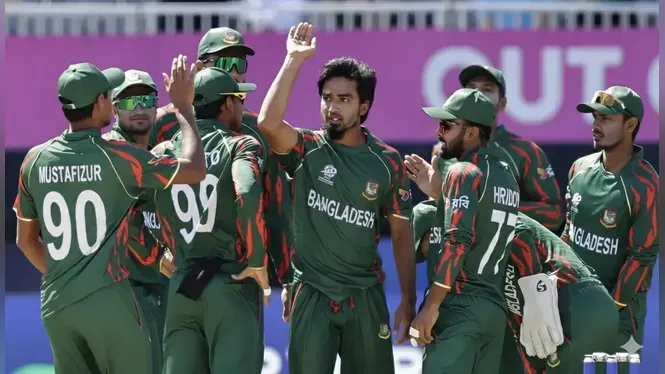
The Bangladesh Cricket Board (BCB) has demanded the International Cricket Council (ICC) relocate their T20 World Cup 2026 matches from India to Sri Lanka, citing player safety concerns following Mustafizur Rahman's controversial exit from Kolkata Knight Riders. This request comes amid escalating tensions between Indian and Bangladeshi cricket authorities, including broadcast bans and a recent handshake controversy during the U-19 World Cup 2026 match between the nations where captains refused the customary post-match exchange. While some reports claim the ICC has given Bangladesh until January 21 to accept India venues or face replacement, BCB officials firmly deny receiving any formal deadline.
Economic Fallout of Venue Relocation
While security concerns dominate headlines, industry experts warn the proposed venue shift could trigger a financial earthquake across South Asia's cricket ecosystem:
1. Broadcast Revenue at Risk
Indian broadcasters have invested record sums for World Cup rights expecting prime-time India-Bangladesh matches. Relocating games to Sri Lanka would push matches to unfavorable time zones, potentially violating existing contracts. The Zee News broadcast ban precedent suggests legal battles could follow, jeopardizing an estimated $80 million in regional broadcasting revenue.
2. Sponsor Exodus Threat
Major sponsors built marketing campaigns around specific host cities and rivalries. Shifting Bangladesh's group matches to Sri Lanka would invalidate existing sponsorship agreements, particularly those tied to Kolkata's iconic Eden Gardens stadium. Early estimates suggest at least 12 sponsorship deals worth $35 million face renegotiation or cancellation.
3. Tourism Revenue Redistribution
Indian hotels and airlines prepared for 50,000+ Bangladeshi fans traveling to Kolkata and Guwahati. Sri Lanka's smaller infrastructure couldn't accommodate similar numbers, potentially slashing projected $28 million in tourism revenue for India while overburdening Colombo's limited facilities.
The Sri Lanka Paradox
While presented as a safety solution, moving matches to Sri Lanka creates new economic challenges:
- Colombo's hotel capacity is 40% smaller than Kolkata's
- Sri Lankan broadcast infrastructure requires $15M upgrades
- No direct flights from Dhaka to Jaffna proposed venue
- Lower per-match sponsorship valuations compared to India
Stakeholder Standoff
The impasse deepened when an Indian ICC official couldn't attend January 17 Dhaka meetings due to visa delays. BCB's surprise proposal to swap groups with Ireland was rejected by Cricket Ireland, who confirmed they "won't move from the original schedule." Tournament organizers now face three bad options as Pakistan formally backs Bangladesh's stance with a letter to the ICC and threatens potential withdrawal:
1. Reject BCB's demand: Risk Bangladesh boycott ($25M loss)
2. Accept Sri Lanka move: Trigger contract breaches ($45M penalty exposure)
3. Hybrid solution: Increase costs by $18M for parallel venues
Conflicting claims persist about decision timelines, with BCB leadership publicly disputing reports of a January 21 ICC ultimatum.
Historical Context Matters
This isn't BCB's first financial standoff. The board previously leveraged player availability during IPL conflicts, but the scale of World Cup economics changes the game. With ICC revenue sharing already strained and fresh tensions emerging from the U-19 handshake snub incident, smaller cricket nations fear collateral damage to their funding if this dispute escalates. Bangladesh's sports advisor has now publicly rejected what they term "unreasonable conditions" from the ICC, signaling hardened positions.
The Ripple Effect Timeline
1. Mustafizur Rahman released from KKR (IPL 2026)
2. BCB implements broadcast restrictions on Indian cricket
3. Security concerns formally raised with ICC
4. Visa issues prevent Indian ICC official from attending BCB meeting (January 17)
5. Sri Lanka relocation requested
6. Group swap with Ireland proposed and rejected
7. Conflicting reports emerge about ICC deadline (January 21 disputed by BCB)
8. Pakistan Cricket Board writes to ICC supporting Bangladesh's position
Solution Framework Emerging
Behind closed doors, negotiators are exploring compromise solutions after Ireland rejected the group swap proposal and ICC dismissed venue changes. Ireland remains in Group B facing Sri Lanka, Australia, Zimbabwe and Oman with matches split between Colombo (vs Sri Lanka, Australia, Oman) and Kandy (vs Zimbabwe):
- Third-party security guarantees for Bangladesh team
- Revenue sharing adjustments for affected sponsors
- Co-hosting model with Sri Lanka for neutral matches
- Fixed exchange rate guarantees for Bangladeshi fans
- Arbitration process for broadcast disputes
Long-Term Implications
This dispute sets dangerous precedents for global cricket:
- Boards may weaponize venue security for financial gains
- Broadcasters could demand force majeure clauses
- Player contracts may include tournament location clauses
- ICC's authority over host decisions weakened
The Human Cost
Beyond balance sheets, the conflict affects:
- Bangladeshi workers employed at Indian venues
- Sri Lankan groundskeepers preparing on short notice
- Indian vendors with non-refundable inventory orders
- Players caught in political crossfire
Expert Predictions
Cricket economists predict three scenarios:
1. Quick Resolution: 5% chance (requires BCB withdrawal)
2. Compromise Solution: 60% likelihood ($27M economic hit)
3. Full Boycott: 35% probability ($150M+ region-wide loss)
Conclusion: More Than a Game
As the BCB-ICC standoff continues with Pakistan's formal backing, denied deadline claims, and government-level rejections of ICC conditions, the true stakes extend far beyond boundary ropes. This dispute tests cricket's ability to balance national interests with economic realities in an increasingly commercialized sporting landscape. The final decision could redefine how global tournaments allocate both matches and money for decades to come.