Domestic Leagues vs. World Cup: How T20 Squads Navigate Player Workload Conflicts
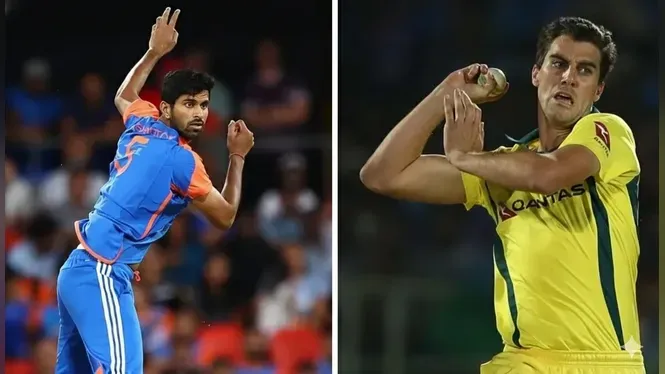
Cricket teams worldwide face an escalating battle as domestic T20 leagues increasingly clash with national team priorities ahead of the 2026 ICC Men's T20 World Cup. With star players like Hobart Hurricanes' Nathan Ellis ruled out of critical BBL knockout matches and Jake Weatherald prioritizing Sheffield Shield over BBL finals, team managements grapple with difficult choices that could impact World Cup preparations.
The Rising Conflict: Domestic Leagues vs. National Duty
The problem has reached critical levels as multiple teams report key players unavailable due to injuries sustained during franchise competitions. South Africa's coach Shukri Conrad faces mounting pressure with David Miller and Donovan Ferreira racing against time to regain fitness before the World Cup, their recovery timelines complicated by ongoing Betway SA20 commitments.
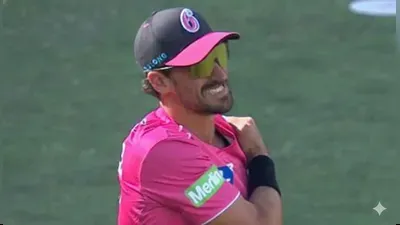
Australia's situation exemplifies this crisis. Hurricanes captain Nathan Ellis will miss the BBL knockout clash against Melbourne Stars due to injury, while Weatherald's decision to prioritize first-class cricket over the BBL finals highlights the growing tension between player development and short-format league demands. This comes as England allrounder Rehan Ahmed departs Australia early, further disrupting team strategies.
Global Injury Fallout: World Cup Preparations Disrupted
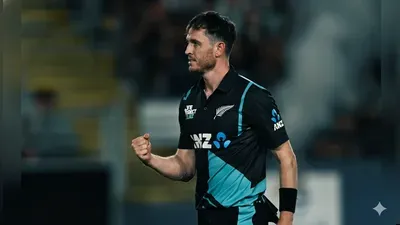
New Zealand's tour of India reveals similar challenges, with selectors using the five-match T20I series to address critical questions about opening combinations and injury contingency plans. The Black Caps' experimentation underscores how national teams are being forced to adapt to unpredictable player availability.
India presents a contrasting case study in proactive management. Young stars Tilak Varma and Washington Sundar have reported to the BCCI's Centre of Excellence in Bengaluru for targeted rehabilitation programs. Their structured recovery process demonstrates a systematic approach to workload management, with Rishabh Pant also expected to join this specialized training setup.
Strategic Solutions Emerging From the Crisis
1. Centralized High-Performance Systems
India's BCCI has pioneered the most effective solution through its National Cricket Academy infrastructure. By bringing injured players like Varma and Sundar under one roof with specialized medical staff, they create controlled environments for recovery. This model allows simultaneous fitness monitoring and skill maintenance during rehabilitation periods.
2. League-National Team Communication Protocols
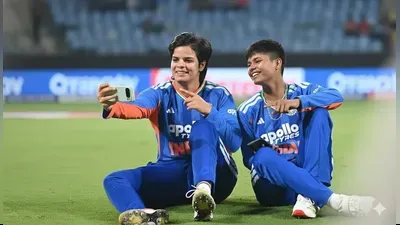
Forward-thinking boards are establishing formal data-sharing agreements with domestic leagues. Real-time fitness tracking allows national selectors to make informed decisions, as seen when Mumbai Indians immediately replaced injured G Kamalini with Vaishnavi Sharma during WPL 2026. Such systems prevent last-minute selection crises.
3. Phased Player Participation Models
Australia's handling of Weatherald demonstrates this approach. By allowing the batsman to prioritize Sheffield Shield cricket, selectors acknowledge the long-term value of red-ball development while managing his white-ball workload. This balanced perspective helps prevent burnout across formats.
The Road to 2026: Balancing Act Intensifies
With less than two years until the World Cup, team managements face complex calculations:
- South Africa must resolve their Miller-Ferreira fitness dilemma amid ongoing SA20 commitments
- New Zealand's experimentation against India could redefine their batting order
- Australia's depth will be tested as Ellis' absence creates bowling gaps
- India's rehabilitation program success could set new benchmarks
The Women's Premier League provides additional insights, with Mumbai Indians' swift replacement of injured G Kamalini demonstrating how franchise teams can collaborate with national boards to maintain player pipelines.
Future Outlook: A New Era of Player Management
As cricket's calendar grows more congested, the 2026 World Cup may become a watershed moment for workload management strategies. Teams that master the art of balancing domestic league obligations with national team needs will gain significant competitive advantages. The emergence of specialized facilities like India's NCA and data-driven player monitoring systems suggests a future where real-time injury tracking becomes as crucial as talent scouting.
The coming months will test whether cricket's ecosystem can evolve beyond the current conflict between franchise and country. With the T20 World Cup injury tracker already listing multiple casualties, the clock is ticking for teams to implement sustainable solutions that protect both player welfare and tournament competitiveness.