Scotland's Cinderella Moment: How Bangladesh's Boycott Opens Historic T20 World Cup Door for Underdogs
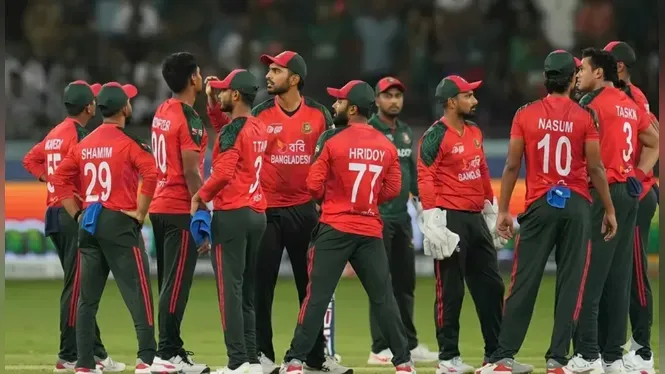
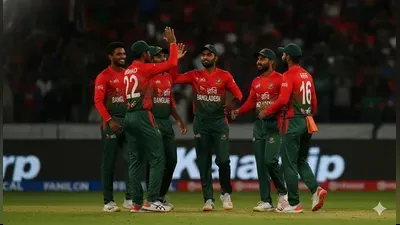
In an unprecedented twist of cricketing fate, Scotland will make their T20 World Cup debut after Bangladesh's dramatic boycott following the ICC's rejection of their request to relocate matches from India. The International Cricket Council (ICC) confirmed Scotland as last-minute replacements after Bangladesh Cricket Board (BCB) stood firm on their withdrawal decision despite a 24-hour deadline.
The Boycott That Changed Everything
The cricketing world was shaken when BCB President Bulbul announced: "We won't travel to India for the T20 World Cup." This came after the ICC rejected Bangladesh's eleventh-hour request to relocate their group matches, dismissing security concerns as unfounded. The governing body's stern ultimatum forced Bangladesh to choose between participation and penalties - a decision with far-reaching consequences.
Pakistan Cricket Board expressed disappointment but confirmed they wouldn't join the boycott, despite former captain Rashid Latif's public call for solidarity and reports suggesting Pakistan considered conditional participation. "A boycott could disrupt the tournament," Latif argued, highlighting the geopolitical tensions underlying the sporting event. Meanwhile, BCB officials revealed they "heard shocking things in ICC meetings" but declined to specify details as they prepare for last-ditch negotiations with the governing body.
Scotland's Whirlwind Preparation Challenge
For Scotland's national team, the news triggered both celebration and chaos. Captain Richie Berrington described receiving the call-up as "like winning the lottery with 24 hours to cash it." The associate nation now faces the daunting task of assembling a competitive squad within weeks rather than months.
Team management must overcome three critical hurdles:
1. Securing visas for Indian host cities
2. Reorganizing player contracts with domestic leagues
3. Creating emergency training camps in Dubai
"We've dreamed of this moment for decades," said Cricket Scotland performance director Toby Bailey. "But replacing a Full Member nation brings unique pressures. Our players were preparing for regional tournaments, not World Cup stadiums."
From Club Grounds to World Stage
The sudden promotion marks a historic first for associate nations in ICC tournaments. Scotland's journey mirrors classic underdog stories - their home grounds lack floodlights, their annual budget equals Bangladesh's travel expenses, and their most famous victory remains the 2018 upset over England.
Veteran batsman Kyle Coetzer captured the team's spirit: "We've always played with nothing to lose. Now we're playing for every small cricket nation dreaming of this chance." The squad's preparation will lean heavily on their recent success in European qualifiers, where they defeated Test-playing Ireland.
Ripple Effects Across Cricket World
Bangladesh's boycott triggers immediate consequences beyond the pitch. ICC regulations mandate:
- Minimum $2 million fine for late withdrawal
- Possible suspension from 2027 ODI World Cup
- Reduced funding for future tournaments
Zee News reports suggest Bangladesh faces "banishment from ICC committees" if they maintain their stance. This nuclear option could reshape power dynamics in global cricket governance, particularly affecting developing nations' voting rights.
Meanwhile, Pakistan's delicate position illustrates cricket's political tightropes. While publicly supporting ICC's decision, behind closed doors officials reportedly discussed "conditional participation" before confirming they wouldn't withdraw. The Times of India noted "visible disappointment in camp" among Pakistani players.
A New Dawn for Associate Nations?
Scotland's inclusion represents more than just roster replacement - it challenges cricket's entrenched hierarchy. Former ICC president Ehsan Mani observed: "This forced inclusion proves associate nations deserve permanent World Cup slots. If Scotland performs well, it could end the 10-team monopoly forever."
The underdogs face baptism by fire in Group B alongside Australia, Namibia, and West Indies. Their first match on October 15th in Hyderabad could become cricket's most watched associate nation game in history. Broadcasters are already negotiating extended coverage rights for Scotland's matches.
Coach Shane Burger sees opportunity in chaos: "We're not here to make up numbers. This team has beaten Full Members before. With nothing expected of us, we can play fearless cricket."
The Human Cost of Geopolitics
Behind the sporting drama lie human stories. Bangladesh players face financial ruin with lost match fees and endorsement deals. Shakib Al Hasan's planned farewell tournament now hangs in limbo. Conversely, Scottish part-timers like Mark Watt (a pizza chef) and Michael Leask (maths teacher) must suddenly negotiate unpaid leave from day jobs.
BCB's last-ditch efforts continue, with President Bulbul requesting "urgent ICC dialogue" while tournament organizers have already reassigned Bangladesh's hotel bookings and practice facilities to Scotland. The logistical nightmare includes reprinting 500,000 match tickets and updating merchandise across six host cities.
Cricket's Crossroads Moment
This unprecedented situation forces cricket to confront uncomfortable questions. Can global tournaments survive geopolitical tensions? Should associate nations get guaranteed slots? How much power should Full Members wield?
As Scotland's players pack their kits for the biggest opportunity of their careers, the cricketing world watches with bated breath. Their performance could validate smaller nations' demands for equitable treatment or reinforce existing hierarchies. One thing is certain - the 2026 T20 World Cup just became the most consequential tournament in associate cricket history.
For Scotland, this Cinderella story begins with borrowed glass slippers and a ticking clock. For Bangladesh, it's a cautionary tale about the price of principle. And for global cricket, it's a watershed moment that could redefine who gets to play on the world stage.