Beyond Cricket: How Bangladesh's T20 World Cup Boycott Threatens India's Global Sports Hosting Ambitions
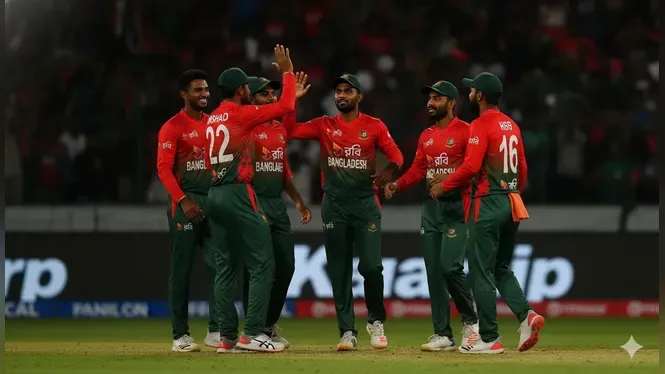
India's ambitions to become a global sports powerhouse face unprecedented jeopardy as Bangladesh's dramatic boycott of the T20 World Cup exposes deep geopolitical fractures. With the International Cricket Council (ICC) standing firm on hosting matches in India despite Bangladesh's security concerns, this cricketing dispute now threatens to undermine New Delhi's bid to host the 2036 Olympics and other multinational sporting events.
The Powder Keg Ignites: Security Concerns Meet Diplomatic Deadlock
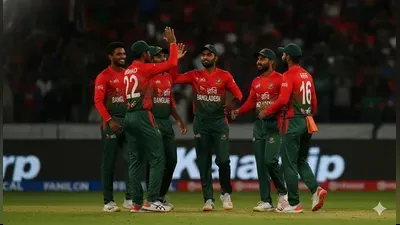
The crisis reached boiling point when the Bangladesh Cricket Board (BCB) refused to send its team to India despite an ICC ultimatum. "We want to play the T20 World Cup... but will not travel to India," declared BCB officials, citing unresolved security concerns. This defiance came after the ICC rejected Bangladesh's request to shift venues, dismissing their apprehensions about player safety in India.
Bangladesh's national sports advisor revealed the boycott stems from a governmental decision, not just sporting preferences. The standoff intensified when BCB president Nazmul Hassan accused the ICC of "double standards," referencing how India previously moved its 2025 Champions Trophy matches from Pakistan to Dubai without penalty. "When India refuses to travel to Pakistan, the ICC accommodates them. But when we raise genuine concerns about India, we're given ultimatums," Hassan stated.
Olympic Ambitions Collide With Geopolitical Realities
This confrontation strikes at the heart of India's carefully cultivated image as a reliable mega-event host. The T20 World Cup was meant to showcase India's organizational capabilities ahead of potential bids for the 2032 Asian Games or 2036 Olympics. Instead, the tournament has become a diplomatic minefield exposing how regional tensions can derail sporting ambitions.
Sports analysts warn that the ICC's hardline approach - threatening to replace Bangladesh with Scotland - sets dangerous precedents. "If nations can boycott Indian-hosted events without consequence, it creates instability that Olympic committees deeply fear," noted one expert. The timing couldn't be worse for India, which recently announced a $1 billion initiative to develop Olympic-grade infrastructure.
The Domino Effect: How One Boycott Could Trigger Wider Isolation
The crisis reveals three critical vulnerabilities in India's sports hosting strategy:
1. The Neighborhood Problem
With Pakistan already refusing to play in India and now Bangladesh following suit, South Asia's sporting ecosystem faces fragmentation. This regional isolation complicates India's "neutral venue" claims for global events requiring multinational participation.
2. Security Perception Warfare
Bangladesh's public framing of India as "unsafe" for athletes - however disputed - damages brand value. Olympic bids require near-unanimous participant confidence, making such perceptions potentially devastating.
3. Institutional Credibility Crisis
The BCB's accusations of ICC favoritism toward India ("India gets whatever India wants") undermine faith in governance. Global sporting bodies prioritize neutrality, and perceived bias could sway Olympic voting blocs against Indian bids.
Pathways to Resolution: Saving India's Sporting Future
Sports diplomats suggest four critical actions to contain the fallout:
1. Third-Party Mediation
Engage ASEAN or UN mediators to broker security guarantees, possibly involving neutral venue inspections by international experts. This demonstrates commitment to due process beyond bilateral tensions.
2. Structural Reforms in ICC Governance
Addressing perception of "Big Three" dominance (India, Australia, England) through transparent venue selection criteria and conflict resolution mechanisms. As BCB's Hassan noted: "There must be one rule for all nations."
3. Diplomatic Confidence-Building
Reinitiate Track II dialogues through sports exchanges. Joint training camps or exhibition matches could rebuild trust severed by the boycott.
4. Olympic Bid Safeguards
Developing binding multilateral agreements ensuring participation regardless of political climate. The 2018 Winter Olympics model, where North and South Korea marched together, offers precedent for sport transcending geopolitics.
The High Stakes: More Than Just Cricket
As the ICC deadline passes with Bangladesh defiant, replacement team Scotland stands ready. But the real loss extends beyond cricket - India's $6.1 billion sports industry faces existential questions. Can a nation aspiring to host the Olympics afford neighbor boycotts? Do global institutions trust India's ability to ensure universal athlete safety?
The crisis exposes a harsh reality: sporting ambitions cannot outpace diplomatic realities. With Bangladesh's sports advisor confirming the boycott stems from governmental directives, not athletic concerns, it becomes clear that stadiums have become proxy battlefields for broader geopolitical tensions.
India now faces a defining choice: double down on unilateral hosting approaches or champion structural reforms in global sports governance. The path chosen will determine whether "Athletics Powerhouse India" remains aspirational or becomes achievable. As one Olympic bid committee member privately warned: "No city has ever won hosting rights amid active boycotts from neighboring nations. The clock is ticking for India to fix this."
A Test Case for Global Sports in Divided Times
This T20 World Cup crisis transcends cricket, becoming a litmus test for hosting global events in an era of rising nationalism. The ICC's next moves carry implications for every multinational tournament:
- Will security concerns always bow to commercial interests?
- Can global bodies enforce participation without addressing root political causes?
- Does the Olympic movement have mechanisms to prevent similar boycotts?
India's response could redefine international sports diplomacy. Accommodating Bangladesh through hybrid hosting (some matches in neutral venues) might salvage both the tournament and larger ambitions. Alternatively, rigid adherence to original plans risks cementing India's reputation as a divisive host - a label incompatible with Olympic dreams.
As Scotland's squad packs their bags for potential T20 World Cup participation, the real story isn't about team replacements. It's about whether the world's largest democracy can transform this crisis into an opportunity - proving that sports can still bridge divides in our fractured geopolitical landscape. The outcome will echo far beyond cricket boundaries, potentially determining India's place in the global sporting order for decades to come.