Pakistan Stands Alone: The Geopolitical Rift Exposed by ICC's Bangladesh World Cup Ultimatum
Cricket's Political Fault Lines Emerge
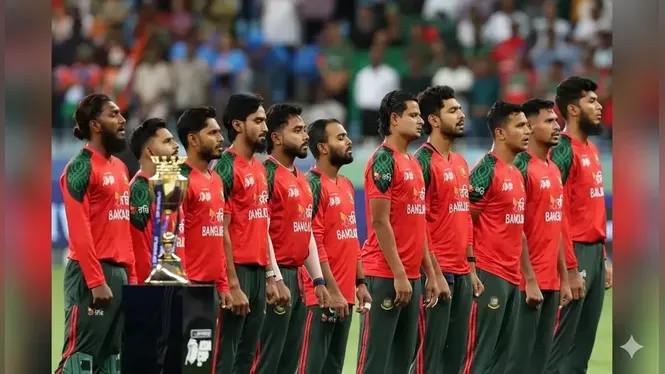
The International Cricket Council (ICC) has drawn a hard line in the sand, rejecting Bangladesh's request to relocate their T20 World Cup matches from India to Sri Lanka while issuing a dramatic 24-hour ultimatum: play at scheduled venues or forfeit to Scotland. This decision has revealed startling geopolitical divisions within world cricket, with Pakistan emerging as the sole supporter of Bangladesh's relocation plea - a symbolic stance that underscores decades of strained India-Pakistan cricket relations.
The Problem: A Tournament Caught in Crossfire
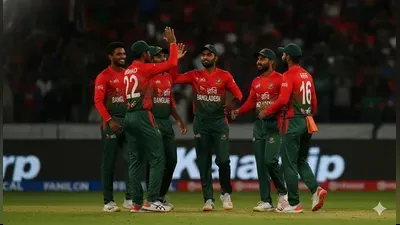
Bangladesh Cricket Board's (BCB) eleventh-hour demand to move matches from India to Sri Lanka came amid security concerns, though historical tensions between South Asian neighbors have long influenced cricket diplomacy. The ICC's swift rejection came through an unprecedented voting process where all member boards except Bangladesh and Pakistan voted to maintain original tournament arrangements for the event co-hosted by Sri Lanka and India from February 7.
"The BCB confirmed that Bangladesh won't travel to India for the T20 World Cup but will make a last-ditch effort with the ICC," reported cricket journalists covering the unfolding crisis. This defiance placed Bangladesh's participation in immediate jeopardy, with ICC officials preparing Scotland as replacement contenders should Bangladesh refuse to comply.
Historical Context: More Than Just a Game
This confrontation continues a pattern of political tensions influencing cricket decisions between India and Pakistan. Since the 2008 Mumbai attacks, bilateral cricket ties between the nuclear-armed neighbors have remained suspended except during ICC tournaments. Pakistan's solitary support for Bangladesh marks the first time this geopolitical divide has directly impacted another cricket nation's tournament participation.
Cricket analysts note this incident follows Pakistan's own threatened withdrawal from last year's ODI World Cup in India over visa delays, creating a precedent for using tournament participation as political leverage. "All member Boards, apart from Bangladesh and Pakistan, voted to stick to the original schedule," reported The Indian Express, highlighting the unusual alignment of global cricket nations against the two South Asian competitors.
The Solution: ICC's Hardline Stance and Consequences
Faced with potential tournament disruption, ICC leadership took decisive action through a dual approach:
1. The 24-Hour Ultimatum
Tournament organizers delivered a blunt message to Bangladesh officials: confirm participation within one day or face automatic replacement by Scotland. This unprecedented deadline pressured BCB officials to either accept the ICC's decision or become the first full-member nation to withdraw from a World Cup over non-security related concerns.
2. Voting Mechanism Reveals Isolation
The ICC's decision to put the matter to vote exposed Pakistan's diplomatic isolation in cricket governance. With only two nations dissenting against the global consensus, the episode demonstrates shifting power dynamics within international cricket administration where commercial considerations often outweigh regional alliances.
Broader Implications for Cricket Governance
This controversy raises critical questions about ICC's handling of politically charged situations:
Governance Challenges
The voting outcome suggests smaller cricket nations increasingly align with India's influential position in global cricket affairs. Pakistan's lone support for Bangladesh highlights its diminishing capacity to build coalitions within ICC structures - a significant shift from previous decades when it enjoyed stronger diplomatic ties with other cricket-playing nations.
Precedent for Future Tournaments
By establishing a rapid-response protocol involving replacement teams, the ICC has created a template for handling similar disputes in future tournaments. However, critics argue this approach prioritizes tournament logistics over addressing legitimate participant concerns, potentially encouraging host nations to disregard visiting teams' apprehensions.
Commercial Realities vs Sporting Integrity
With India hosting the lucrative tournament, commercial considerations likely influenced the ICC's firm stance. The world's largest cricket market generates approximately 80% of global cricket revenue, giving host nations substantial leverage in organizational decisions - a reality that complicates claims of impartial governance.
The Road Ahead: Repercussions and Reconciliation
Bangladesh's maintained refusal to play in India has now resulted in their withdrawal from the tournament, with Scotland confirmed as their replacement. This marks the first World Cup forfeiture by a full-member nation since Australia and West Indies boycotted Sri Lanka during 1996 World Cup security concerns.
Long-Term Diplomatic Fallout
Bangladesh's withdrawal damages its standing in global cricket while elevating Scotland's profile. Pakistan's isolated stance may accelerate its marginalization within ICC power structures. Meanwhile, India's ability to maintain tournament continuity despite participant objections reinforces its position as cricket's indispensable nation - a status carrying both influence and resentment.
Conclusion: Cricket's New Geopolitical Reality
The ICC's firm rejection of Bangladesh's relocation request - supported by every major cricket nation except Pakistan - illustrates how geopolitical realities now permeate tournament decision-making. This incident establishes several concerning precedents: the use of replacement teams as diplomatic leverage, the public isolation of dissenting cricket boards, and the normalization of political considerations overriding sporting preferences.
With Bangladesh officially withdrawn and Scotland taking their place, the broader cricket world faces uncomfortable questions about whether its global governing body can truly balance commercial imperatives with equitable representation in an increasingly divided world. For Pakistan, its solitary position in supporting Bangladesh marks both a principled stand and strategic vulnerability - a reminder that in modern cricket politics, economic might increasingly determines administrative right.