Behind the Ultimatum: The Geopolitical Tensions Fueling Bangladesh's T20 World Cup Standoff with India
The 24-Hour Deadline That Shook South Asian Cricket
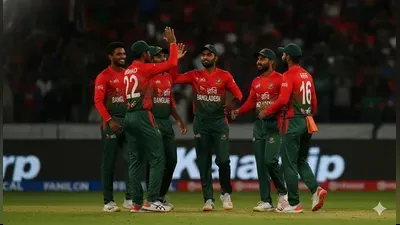
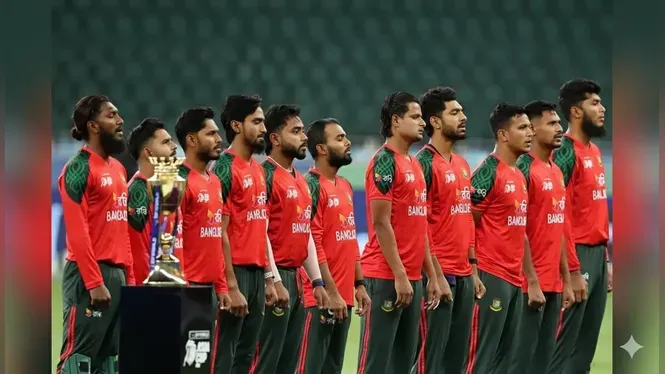
The International Cricket Council has handed Bangladesh cricket an unprecedented ultimatum: play your ICC Men’s T20 World Cup 2026 matches in India within 24 hours or be replaced by Scotland. This dramatic standoff exposes deeper geopolitical fault lines between the neighboring nations, where cricket diplomacy often mirrors complex bilateral tensions.
The Problem: A Venue Request Denied
Bangladesh Cricket Board's formal request to relocate their ICC Men's T20 World Cup 2026 matches from India met with resounding rejection. ICC voting records reveal all member boards except Bangladesh and Pakistan supported maintaining original Indian venues. The global governing body responded with a stern deadline - comply or face tournament expulsion.
Historical Context: Beyond the Boundary Line
This confrontation continues a pattern of India-Bangladesh friction manifesting in cricket governance. While not explicitly stated in official communications, sources indicate the venue dispute connects to broader diplomatic strains and an undisclosed dispute involving an Indian Premier League player:
1. Security Perception Divide: Bangladesh's concerns about player safety in India contrast sharply with ICC's security assurances
2. Political Signaling: The venue demand emerged during heightened bilateral tensions over trade imbalances and border disputes
3. Governance Power Dynamics: Voting patterns reveal Bangladesh's limited influence compared to India's cricketing hegemony
The Ultimatum Mechanics
ICC's uncompromising position includes specific conditions:
- Bangladesh must confirm participation within 24 hours of notification
- All matches will proceed at originally scheduled Indian venues
- Scotland stands ready as replacement team if Bangladesh forfeits
- Forfeited matches would award automatic wins to opponents
Regional Cricket Politics Exposed
The voting breakdown proves particularly revealing. With only Pakistan supporting Bangladesh's position, the episode highlights:
- India's dominant influence in ICC decision-making structures
- Bangladesh's diplomatic isolation in cricket governance matters
- The limited effectiveness of SAARC cricket alliances in global forums
The IPL Connection
Multiple sources confirm the dispute stems partially from an unresolved conflict involving an Indian Premier League player. This follows historical precedents where IPL participation became entangled with international cricket diplomacy between the nations.
Potential Solutions and Consequences
Bangladesh faces three difficult paths forward:
Option 1: Strategic Concession
Accept ICC's terms while securing private assurances about security protocols. This preserves World Cup participation but risks domestic political backlash.
Option 2: Calculated Withdrawal
Forfeit tournament participation on principle, triggering:
- Automatic qualification for Scotland
- Significant financial penalties from ICC
- Potential long-term governance repercussions
Option 3: Last-Minute Negotiation
Attempt eleventh-hour diplomatic channels to modify security arrangements without changing venues. This would require Indian government cooperation beyond cricket administration.
The Broader Implications
This confrontation establishes dangerous precedents for international cricket:
- Tournament Integrity: Last-minute team replacements undermine event credibility
- Geopolitical Instrumentalization: Confirms cricket's vulnerability to bilateral tensions
- Governance Credibility: Exposes ICC's limited conflict resolution mechanisms
Historical Parallels in Cricket Diplomacy
This isn't the first time India-Bangladesh tensions surfaced in cricket:
- 2015 Security Standoff: Bangladesh initially hesitated sending team to India for bilateral series
- 2016 World T20: Protests erupted in Dhaka over disputed umpiring decisions in India matches
- 2021 Test Series: Venue disagreements nearly canceled India's Bangladesh tour
The Human Cost: Players in Political Crossfire
Bangladeshi cricketers face impossible pressures:
- Security apprehensions about India travel
- Career-defining tournament participation at stake
- Nationalist expectations from home supporters
- Potential ICC sanctions affecting future opportunities
What Comes Next?
The ICC-Bangladesh standoff represents more than a scheduling dispute - it's a stress test for cricket's ability to navigate South Asia's complex geopolitics. As the 24-hour deadline ticks away, consequences will ripple beyond boundary ropes:
- Diplomatic Fallout: Potential strain on India-Bangladesh bilateral relations
- Tournament Impact: Schedule disruptions and competitive imbalance if Scotland replaces Bangladesh
- Governance Reform Pressure: Calls for clearer protocols on political interference in cricket
The Global Cricket Community Watches
As Bangladesh weighs national pride against practical realities, the cricketing world observes how the ICC balances:
- Tournament logistics against member sovereignty
- Security concerns against political posturing
- Commercial interests against sporting integrity
The resolution - or lack thereof - will shape international cricket governance for years to come.